
From Rum Runners to Island Dreams:
A brief history of tiki cocktails
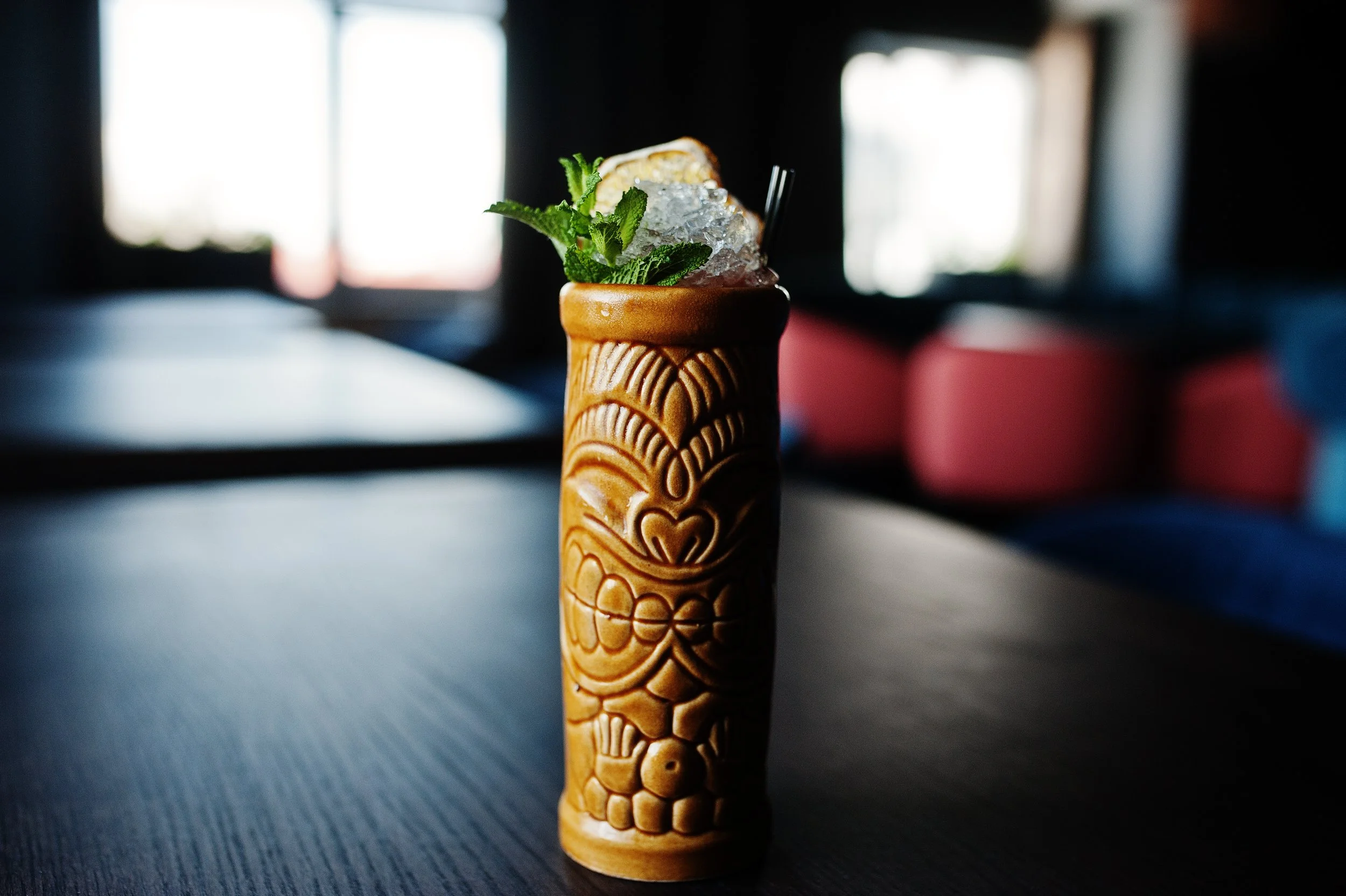
Tiki cocktails are a family of American tropical drinks built around escapism, rum, fruit, spice, theatrical presentation, and layered flavor. The classic formula often combines multiple rums, fresh citrus, tropical juices, house syrups, bitters, spices, crushed ice, elaborate garnishes, and exotic-sounding names. They are not historically “Polynesian” cocktails in the strict cultural sense; rather, they are mostly 20th-century American inventions that borrowed imagery, mythology, words, décor, and fantasies from the South Pacific, the Caribbean, nautical adventure, Hollywood, and colonial travel culture.
A classic tiki drink is usually more complex than a standard sour or highball. Instead of “spirit + citrus + sugar,” tiki recipes often layer several rums, multiple sweeteners, juices such as lime, grapefruit, orange, passion fruit, guava, or pineapple, and modifiers like falernum, allspice dram, cinnamon syrup, honey, orgeat, absinthe, and bitters. Drinks like the Zombie, Navy Grog, Mai Tai, Jet Pilot, Cobra’s Fang, Scorpion, and Planter’s Punch became part of the canon because they created a distinctive style: powerful, aromatic, highly garnished, and immersive.
What “tiki cocktails” are
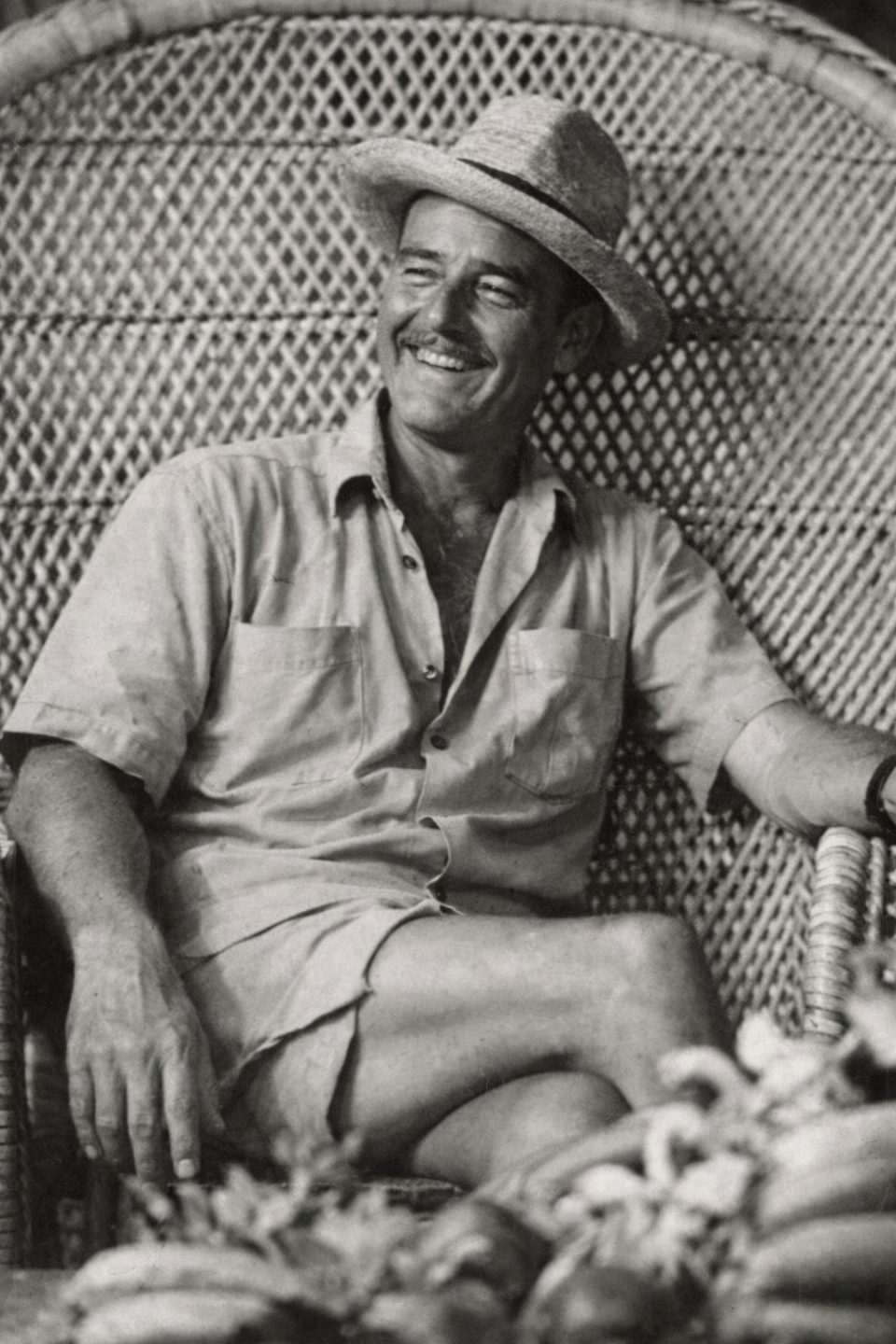
Tiki cocktails developed in the United States during the post-Prohibition 1930s, especially in California. The movement is usually traced to Ernest Raymond Beaumont Gantt, better known as Donn Beach or Don the Beachcomber, who opened Don the Beachcomber in Hollywood in the 1930s. The Smithsonian describes Don the Beachcomber as the first tiki bar and notes that its fantasy-island aesthetic fit the Great Depression era because it offered a sense of escape during hard economic times.
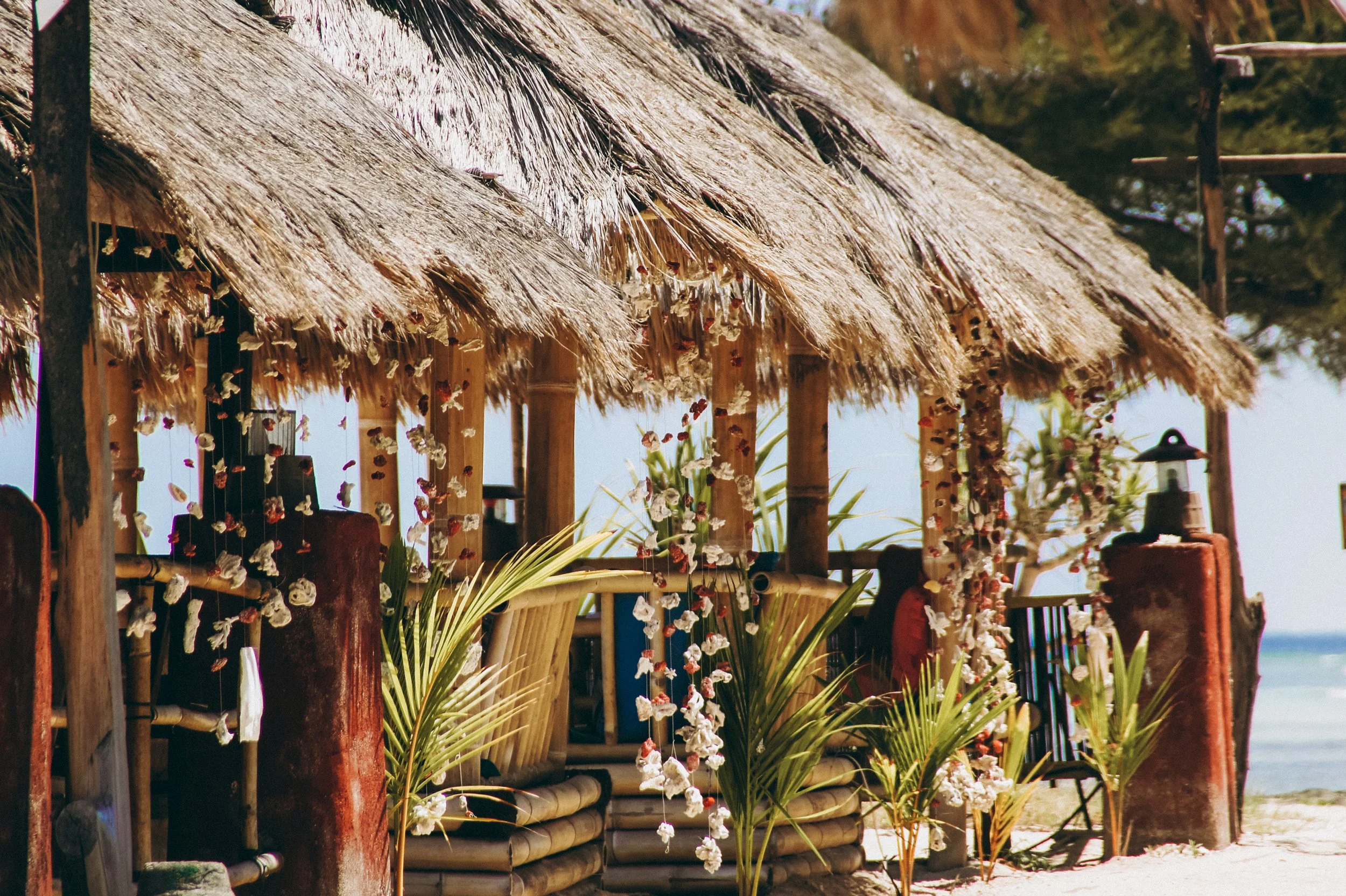
Donn Beach’s concept was not simply a drink list. It was a full environment: bamboo, thatch, nautical objects, South Seas imagery, dim lighting, “exotic” food, strong rum drinks, mystery, and showmanship. This mattered because tiki was always as much about atmosphere as about the liquid in the glass. The National Museum of American History summarizes this as a stateside version of casual tropical living created by restaurant empires such as Don the Beachcomber and Trader Vic’s, built around a “highly mythologized tropical paradise.”
Where tiki cocktails came from
Donn Beach and the invention of the tiki drink style
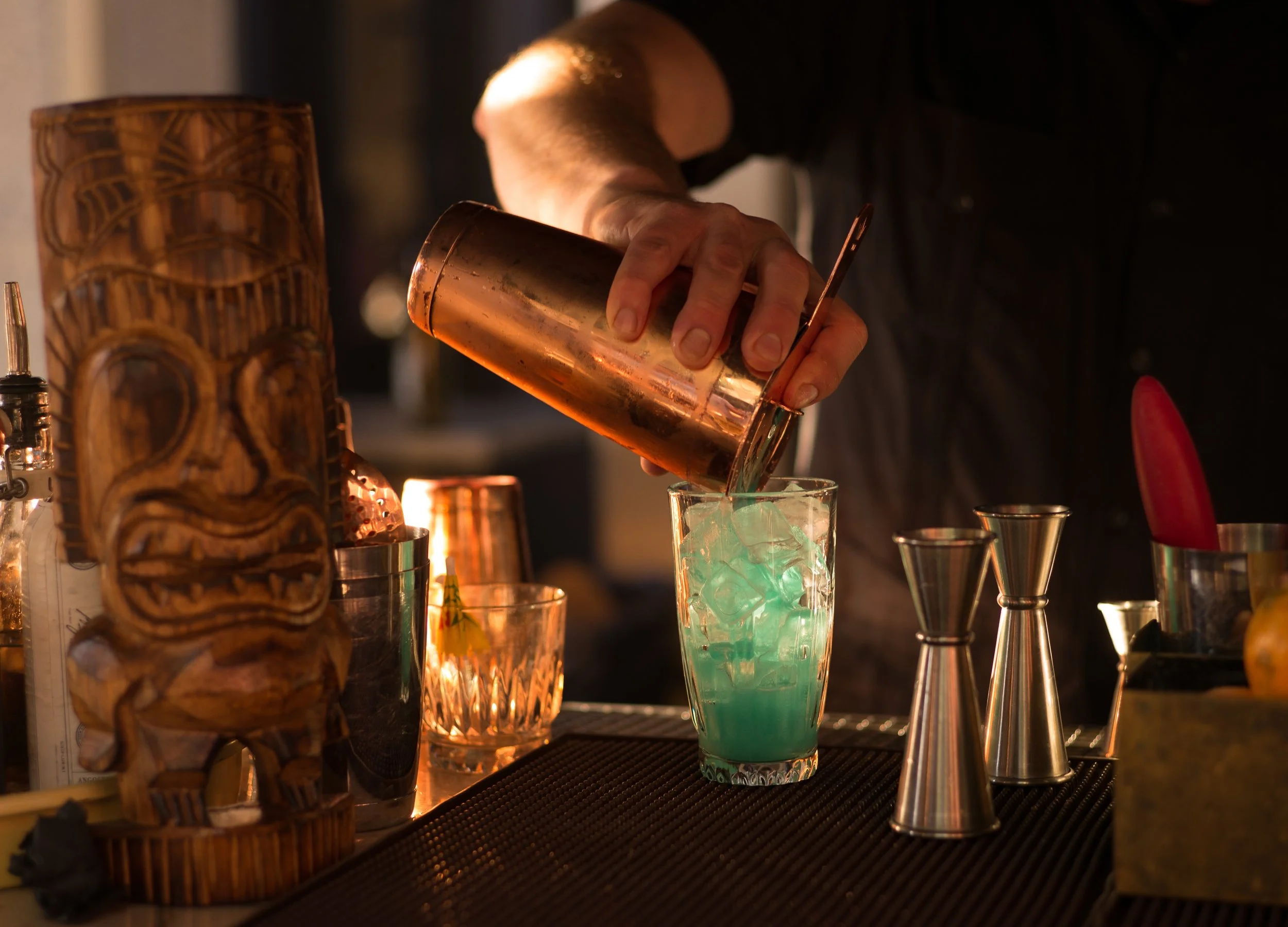
Donn Beach is generally credited with establishing the tiki-drink genre. His drinks were rum-forward but rarely simple. He used multiple rum types to create depth, then hid that complexity behind fruit, spice, and dramatic names. His most famous drink was the Zombie, a potent rum cocktail that helped make his reputation. Many other drinks associated with the Don the Beachcomber world include the Navy Grog, Cobra’s Fang, Three Dots and a Dash, and other elaborate rum drinks.
A key feature of Donn Beach’s operation was secrecy. Recipes were often coded or split into mysterious house-made ingredients so bartenders could not easily copy them. This contributed to tiki’s mythology and also explains why many original recipes had to be reconstructed decades later by cocktail historians, most notably Jeff “Beachbum” Berry, whose research helped revive the original tiki canon.
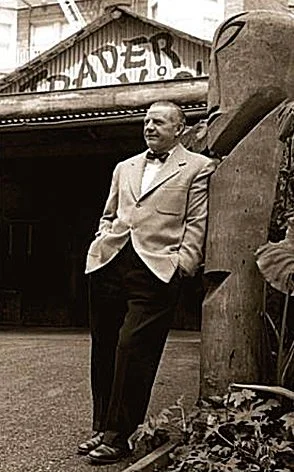
The second major figure was Victor J. Bergeron, known as Trader Vic. Bergeron began with a bar and restaurant in Oakland, California, that eventually became Trader Vic’s. His restaurants helped turn tiki from a Hollywood curiosity into a national and international restaurant-bar style. Smithsonian notes that Trader Vic’s was one of the important imitators and competitors that followed Don the Beachcomber, and it is especially tied to the Mai Tai’s history.
Trader Vic’s most famous contribution is the Mai Tai, usually dated to 1944 and associated with Oakland. The drink became one of the most famous tiki cocktails in the world. Difford’s Guide describes Trader Vic’s Mai Tai as one of the most enduring vintage cocktails and notes that, at its core, it is a rum sour with lime, orange curaçao, orgeat, and sweetener.
There has long been controversy over the Mai Tai’s origin because both Donn Beach and Trader Vic are connected to drinks called Mai Tai or similar tropical rum cocktails. Still, the version that became globally famous is generally the Trader Vic’s 1944 Mai Tai: aged rum, lime, curaçao, orgeat, and sugar syrup, served over crushed ice.
Trader Vic and the spread of tiki
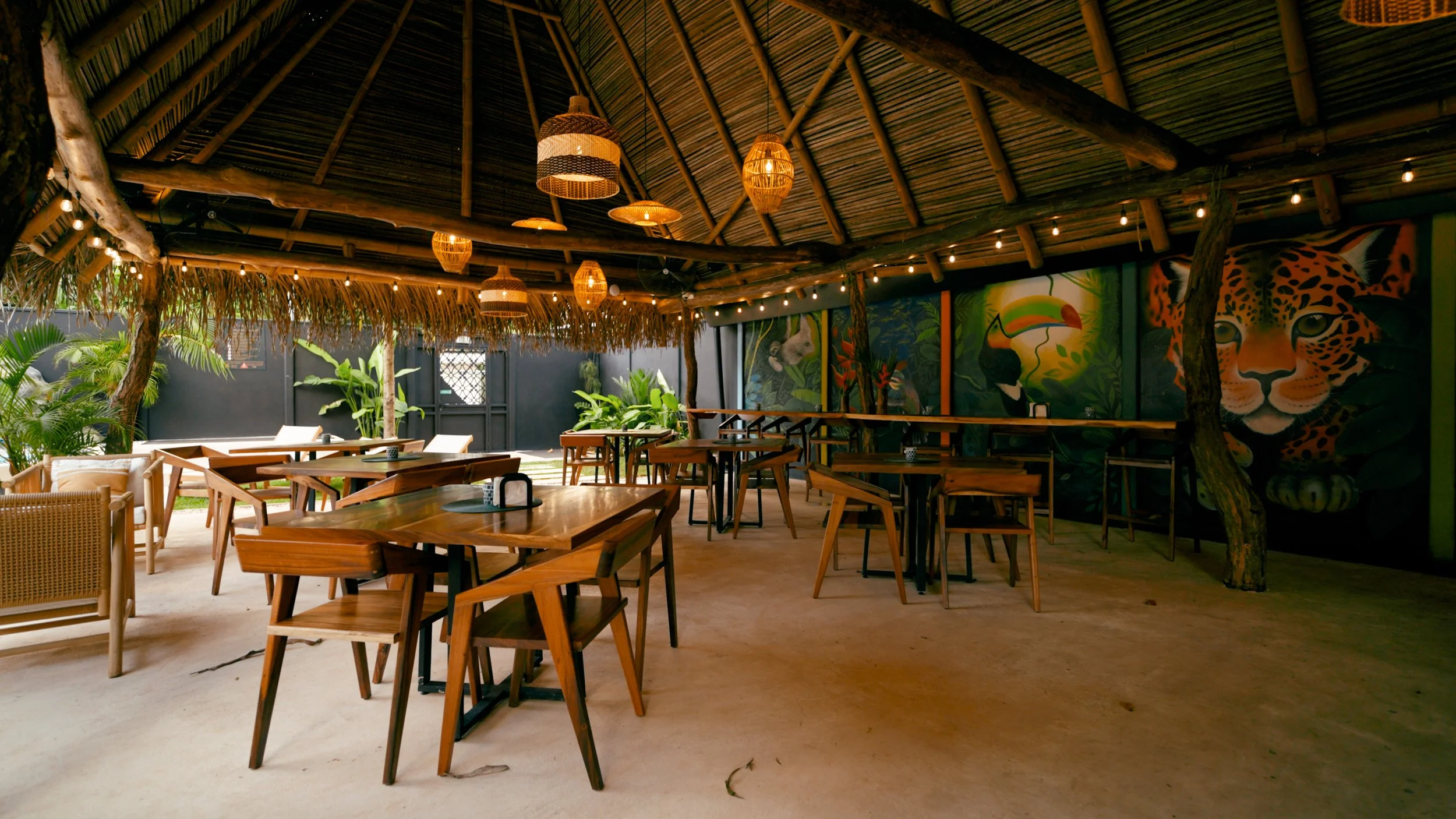
Tiki culture grew especially strong after World War II. Several forces converged: returning American servicemen had spent time in the Pacific; air travel and tourism made Hawaii and the South Pacific feel newly accessible; Hollywood kept romanticizing island settings; and the American middle class was embracing themed restaurants, backyard leisure, and suburban entertaining.
Tiki bars offered a fantasy of travel without requiring actual travel. A guest could walk into a dark room in Los Angeles, Oakland, Chicago, New York, or Miami and feel transported to a tropical island, even if the décor was a mashup of Polynesian, Caribbean, Asian, nautical, and Hollywood influences. That fantasy was often inaccurate and appropriative, but it was commercially powerful.
By the 1950s and 1960s, tiki was everywhere: restaurants, hotel bars, home bars, ceramic mugs, carved figures, torches, Hawaiian shirts, pu-pu platters, rum bowls, and elaborate drinks served in mugs shaped like skulls, gods, barrels, or volcanoes. Trader Vic’s expanded widely, and many independent tiki bars copied the formula.
Why tiki exploded after World War II
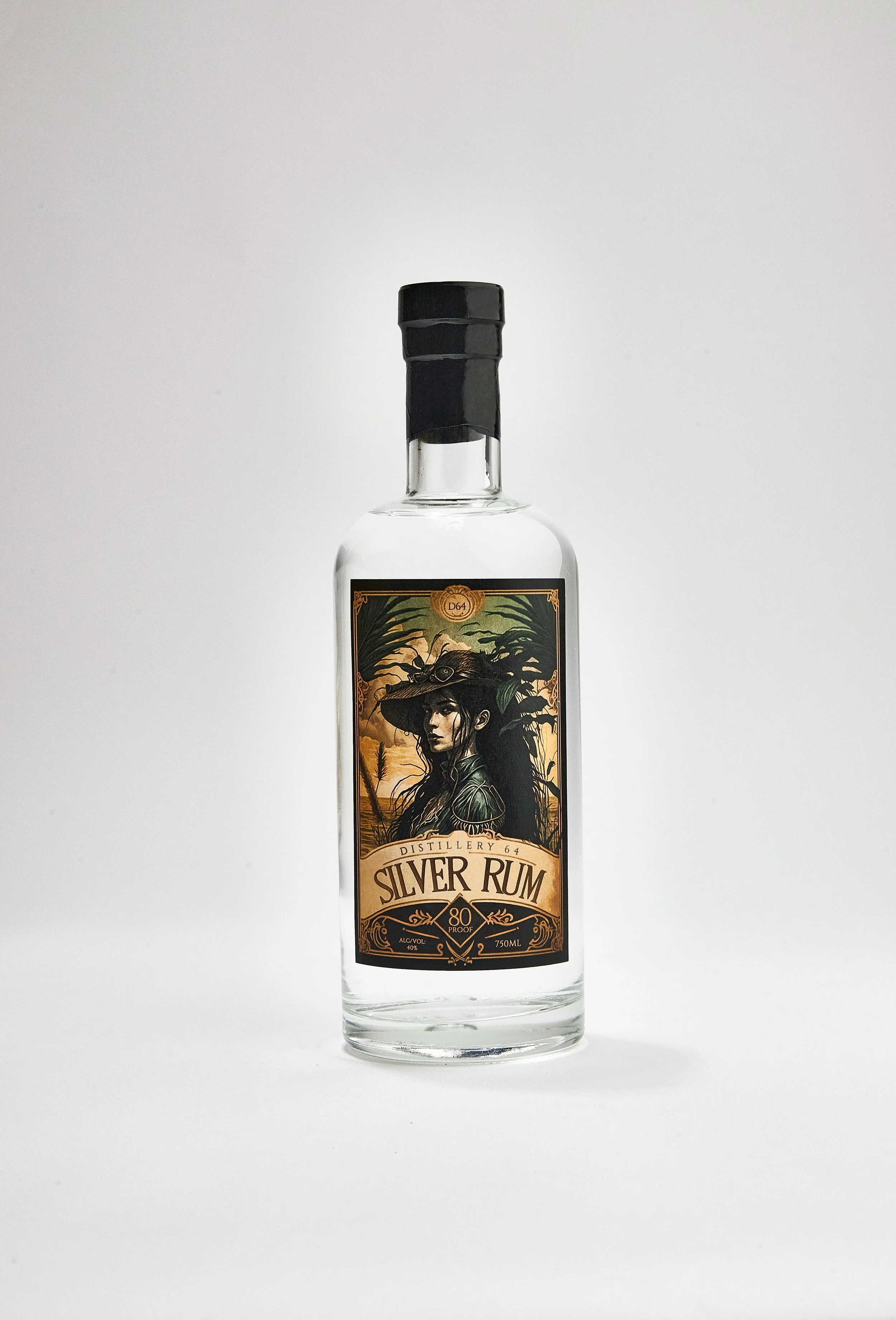
The central spirit of tiki is rum, but not just one kind of rum. Classic tiki often uses a blend of rums: Jamaican rum for funk, Demerara rum for richness, Puerto Rican or Cuban-style rum for lightness, Martinique-style rhum for grassy complexity, or dark rum for molasses depth. The point is not merely strength; the rum blend acts like a flavor chord.
Common tiki ingredients include:
Fresh lime juice, grapefruit juice, orange juice, pineapple juice, passion fruit syrup, guava, falernum, allspice dram, cinnamon syrup, honey syrup, grenadine, orgeat, curaçao, bitters, absinthe or pastis, mint, nutmeg, crushed ice, and elaborate garnishes.
A drink like Navy Grog shows the style well: Beachbum Berry’s published version includes lime, grapefruit, soda, multiple rums, honey mix, and the famous ice cone presentation. A drink like the Mai Tai shows another side: not a juice bomb, but a structured rum sour where orgeat and curaçao support the rum rather than hide it.
What ingredients define tiki cocktails
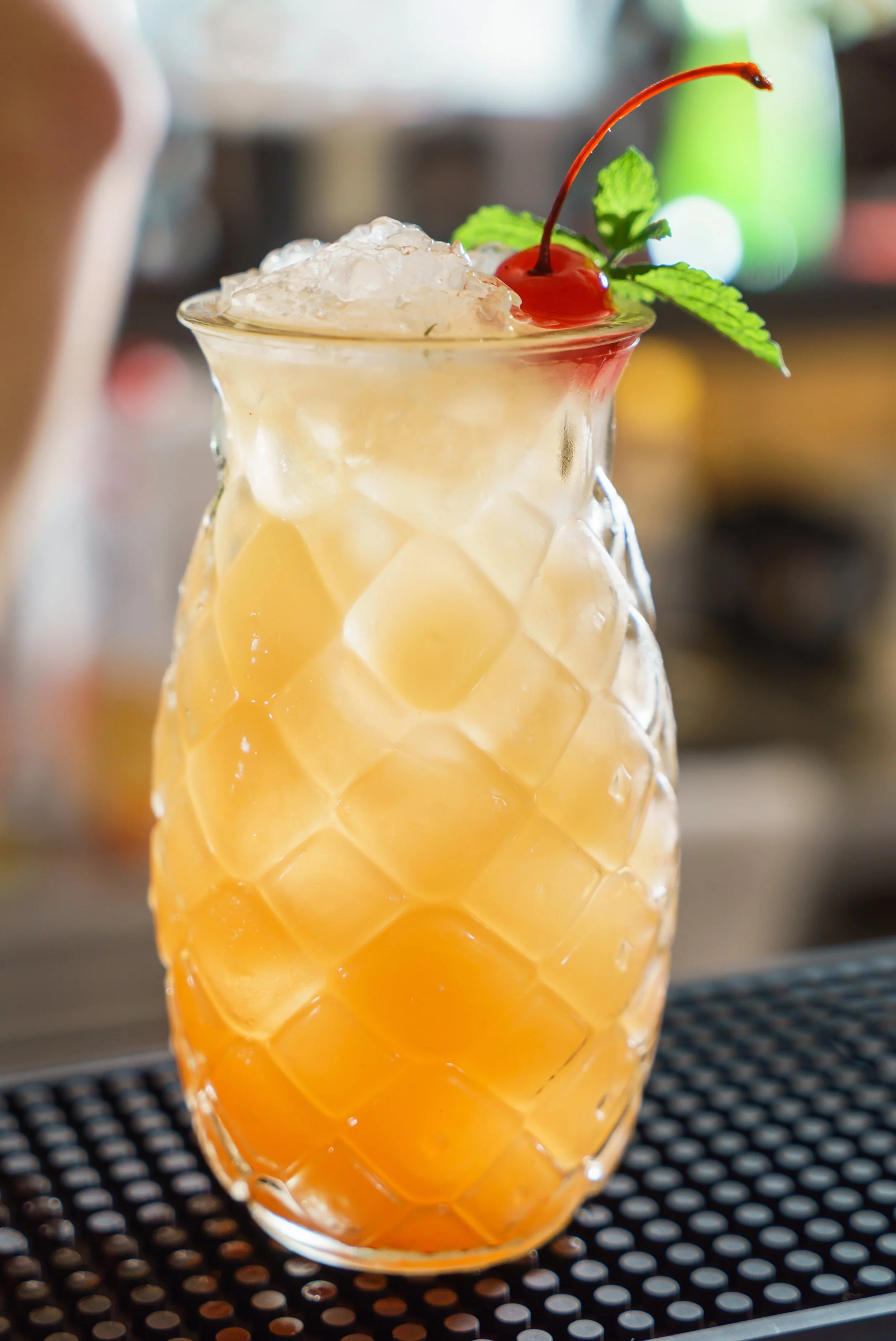
The Zombie is one of the earliest and most famous Don the Beachcomber drinks, known for its heavy rum content and its reputation as a dangerously drinkable cocktail.
The Navy Grog became another pillar of the style, typically using multiple rums, citrus, honey, and soda, often served with a signature ice cone.
The Mai Tai became Trader Vic’s defining drink and arguably the most famous tiki cocktail of all. Its original identity is much drier and more rum-focused than many later pineapple-heavy or overly sweet versions.
The Scorpion, Fog Cutter, Cobra’s Fang, Jet Pilot, Test Pilot, Three Dots and a Dash, and Planter’s Punch also became part of the broader tiki and tropical-drink canon. Some are directly tied to Donn Beach or Trader Vic; others evolved from Caribbean rum-punch traditions or later tiki-bar adaptations.
Important classic tiki cocktails
Tiki food and the restaurant experience
Tiki bars were not only bars. They were restaurants, and the food was part of the illusion. Don the Beachcomber and similar restaurants often served Americanized Cantonese, Hawaiian, and “South Seas” dishes, sometimes under exotic names. The Smithsonian and National Museum of American History both emphasize that the restaurant empires of Don the Beachcomber and Trader Vic’s were central to how Americans experienced a mythologized tropical lifestyle.
The pu-pu platter, rumaki, spareribs, egg rolls, skewers, flaming bowls, and shared platters became associated with the tiki restaurant experience. The goal was not culinary authenticity; it was spectacle, abundance, and fantasy.
By the late 1960s and 1970s, tiki began to decline. Tastes changed, youth culture moved away from mid-century exotica, and many tiki drinks became poorly made. Fresh juices were replaced by bottled sour mix, quality rum blends gave way to cheap spirits, and carefully balanced recipes turned into overly sweet, neon-colored “tropical” drinks. Difford’s Guide describes this decline as a period when the potent, rum-laced drinks of Donn Beach and Trader Vic were replaced by overly sweet, mass-produced versions.
As original bars closed or changed ownership, many recipes were lost, altered, or simplified. The Mai Tai in particular suffered: many people came to know it as a pineapple-and-orange drink, even though the classic Trader Vic’s formula is much more restrained.
Decline in the 1970s and 1980s
Tiki began to revive in the late 20th and early 21st centuries thanks to cocktail historians, bartenders, collectors, and writers. Jeff “Beachbum” Berry was especially important because he tracked down old recipes, interviewed former bartenders, decoded secret formulas, and published books that helped bartenders reconstruct classics. His work helped move tiki from kitsch nostalgia back toward serious cocktail craft.
Modern tiki bars often focus on fresh juice, high-quality rum, house-made syrups, careful dilution, historically informed recipes, and theatrical but more thoughtful presentation. Some bars still embrace the full vintage aesthetic; others prefer terms like “tropical,” “rum-focused,” or “exotica” to distance themselves from the cultural baggage of older tiki.
Revival and modern tiki
Tiki cocktails are not ancient island drinks; they are a 20th-century American cocktail tradition born in California after Prohibition, shaped most strongly by Donn Beach and Trader Vic, and popularized through themed restaurants that sold an immersive fantasy of tropical escape. Their best examples are sophisticated rum cocktails built with layered spirits, citrus, spice, syrups, crushed ice, and dramatic presentation. Their history includes innovation, showmanship, brilliant drink-making, cultural borrowing, commercial fantasy, decline into sugary imitation, and a modern revival focused on craft and historical recovery.